
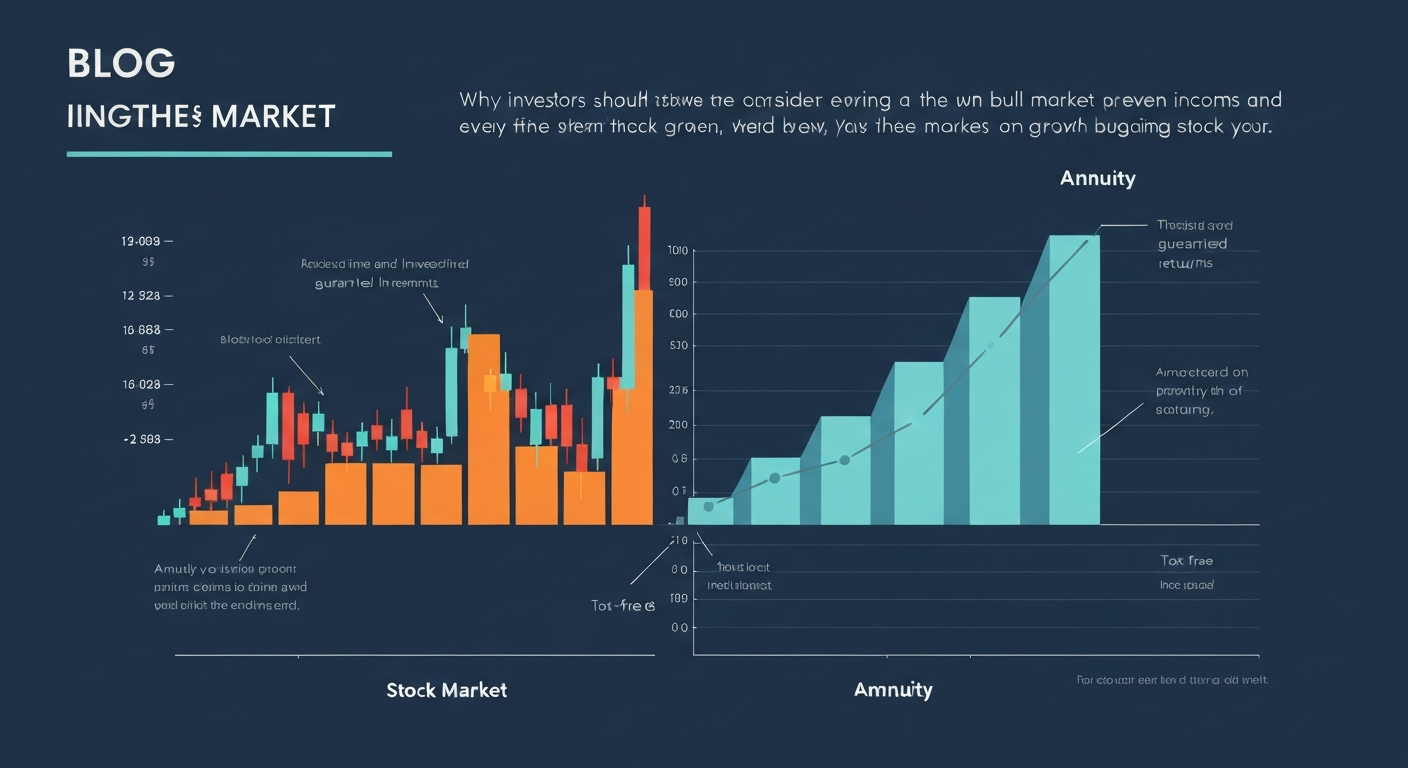
Stock vs Annuity: Why Investors are Choosing Certainty in a Bull Market
I recently sat down with a client—let’s call him David—who was staring at his brokerage statement with a mix of pride and profound anxiety. David is 63, roughly two years away from his planned retirement. His portfolio, heavily weighted in tech and growth equities, had performed exceptionally well over the last decade. On paper, he was wealthier than he had ever been. Yet, he couldn’t sleep. He knew that if the market corrected by 20% the month after he retired, his “safe” withdrawal rate would crumble. He asked me the question many are asking right now: in the debate of stock vs annuity, why would anyone move money out of a high-performing market and into an insurance product?
It sounds counterintuitive. When the S&P 500 is hitting all-time highs, the “fear of missing out” often overrides the need for “fear of losing out.” However, for those approaching the “Red Zone” of retirement—the five years before and after your last paycheck—the math of investing changes fundamentally. In my ten years of experience navigating compliance-regulated financial content, I’ve seen that the most successful retirees aren’t the ones who squeezed every last drop of growth out of a bull market; they are the ones who knew when to lock in their wins.
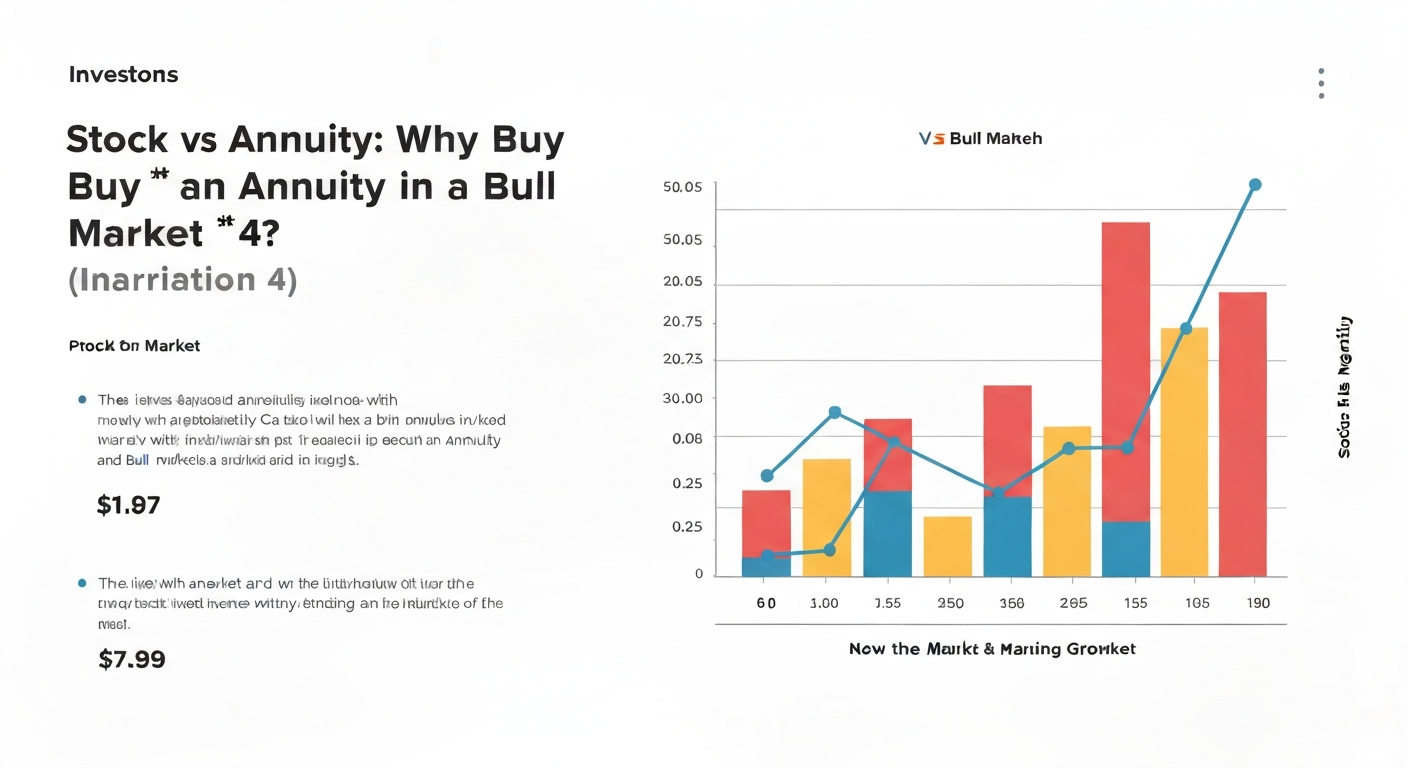
The Psychology of the Bull Market Trap
The biggest hurdle in the stock vs annuity conversation is recency bias. When we see consistent green on our screens, we begin to view market volatility as a theoretical risk rather than a mathematical certainty. We tell ourselves we can handle a downturn, but for a retiree, a downturn isn’t just a temporary loss of net worth—it is a permanent reduction in their future standard of living.
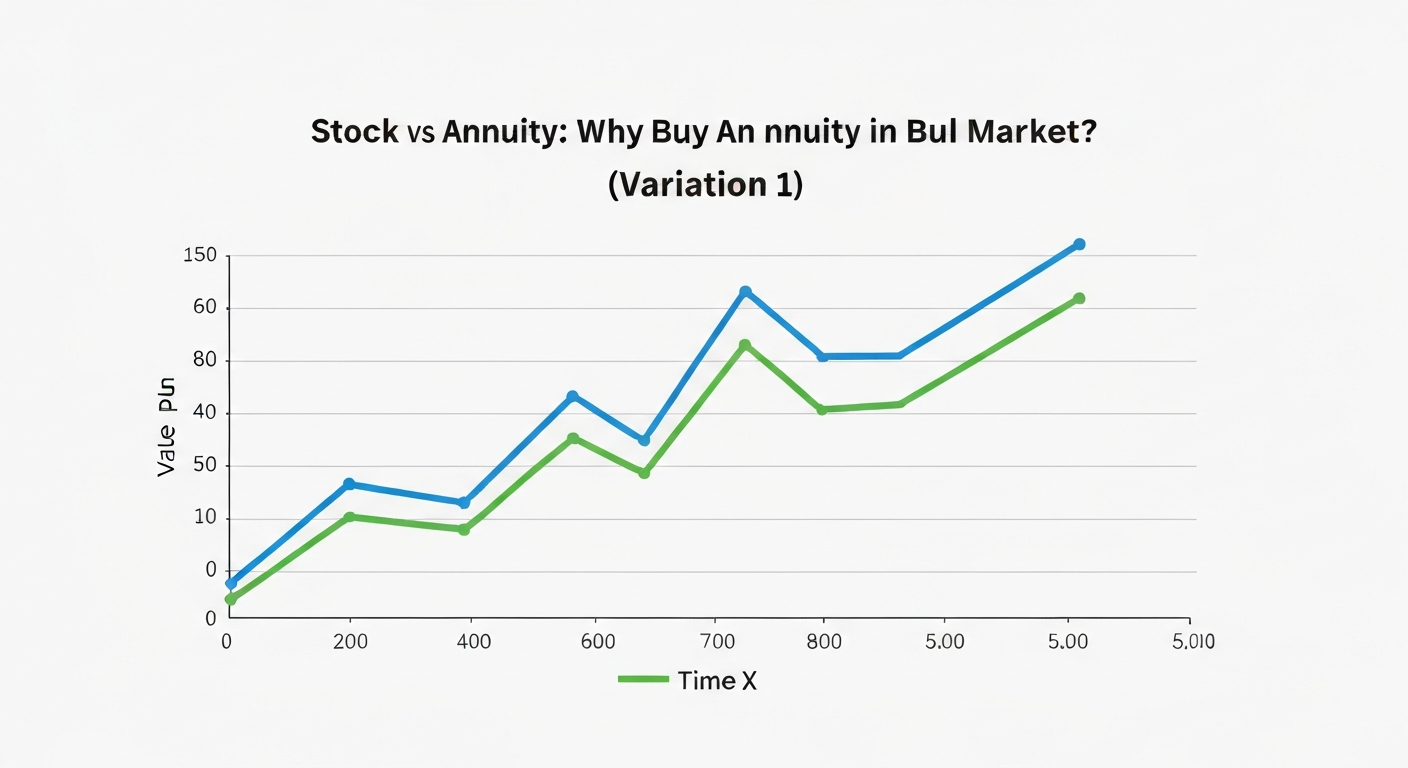
When you are in the accumulation phase of your life, volatility is your friend. You are buying shares at a discount during dips. But once you transition to the decumulation phase, volatility becomes a predatory force. This is where [INTERNAL_LINK: Sequence of Returns Risk] enters the conversation. If you are forced to sell stocks to pay for groceries while those stocks are down 15%, you are effectively cannibalizing your portfolio. You are selling more shares at a lower price, leaving fewer shares behind to participate in the eventual recovery.
Stock vs Annuity: Understanding the Shift from Growth to Income
To understand why an annuity makes sense when stocks are doing well, we have to distinguish between “wealth” and “income.” Wealth is the size of your pile of money; income is the flow of cash that sustains your life. Stocks are excellent at building the pile, but they are unreliable at providing a fixed, guaranteed flow of cash that you cannot outlive.


